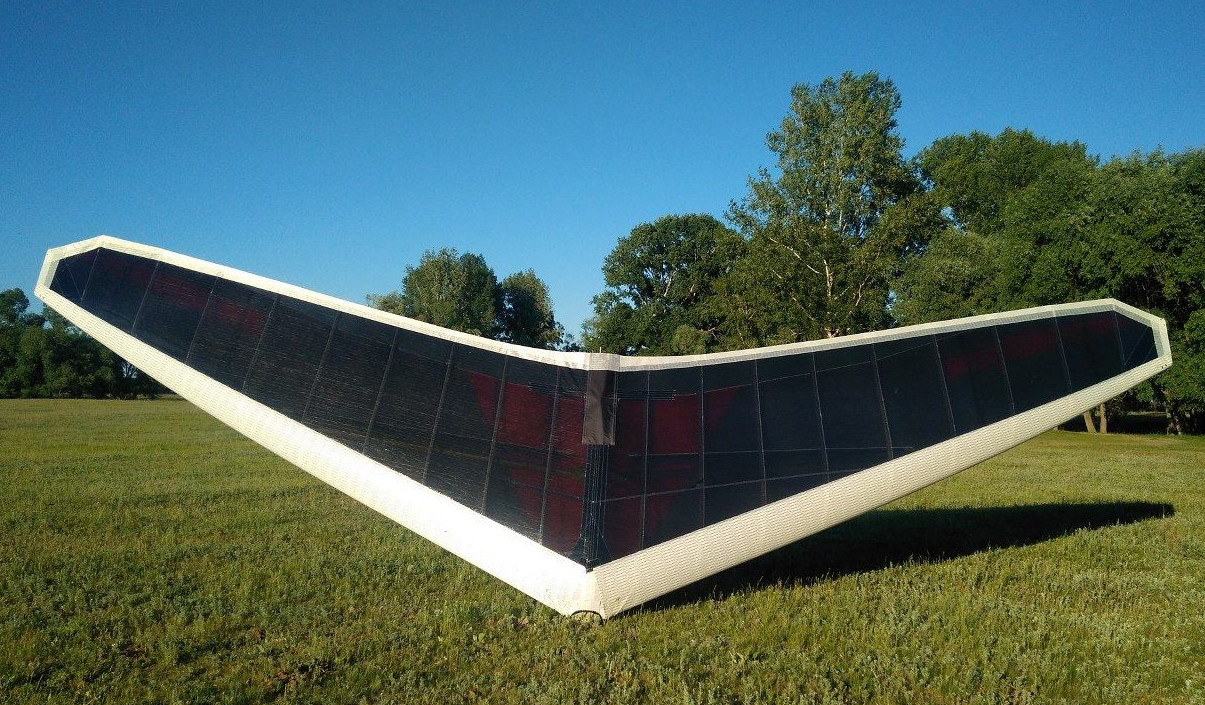
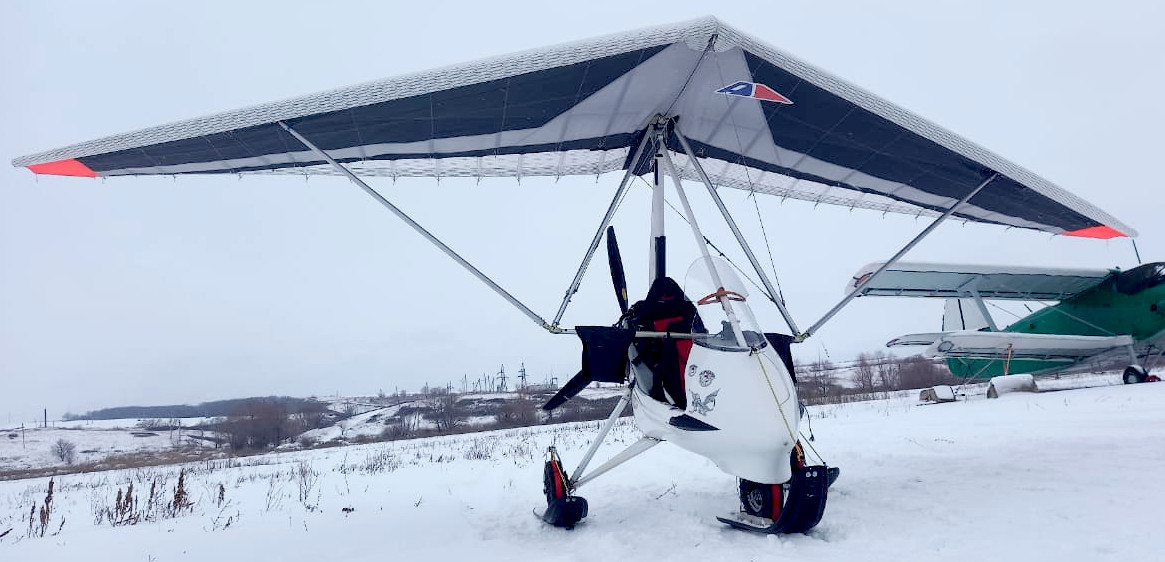
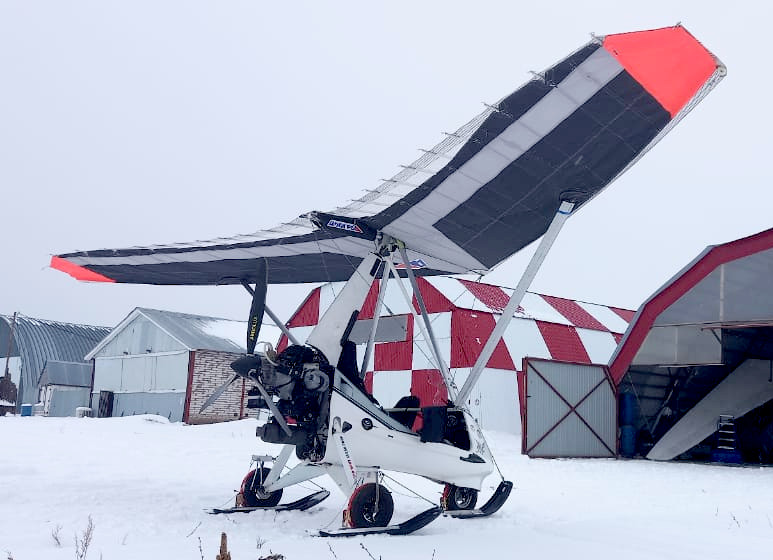
15.12.2020 Two more Completed Trikes and information about ANT nanolight trike added.
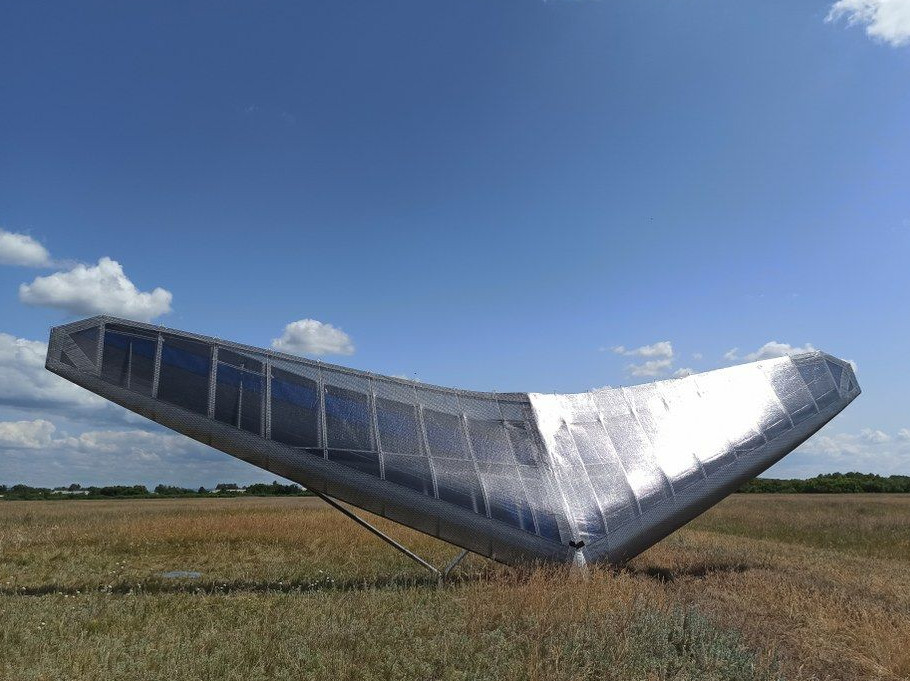
25.02.2020 New modern Apogee 14 "Flash" wing and more information about Variavle Pitch Propeller added.
07.07.2019 New products - SPG-5 gearbox, beltdrives, Airspeed-Altimeter-VSI combo gauge were added to Engines, Conversion Kits and Other parts pages.
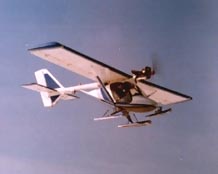
12.11.2018 New weight-shift control float aircraft has been designed, built, registered in USA and tested. Plans, kit and Ready-to-fly "Eagle-Aqua"
available for your order now. More info EAGLE-AQUA
28.09.2018 We got and tested new Aeros ANT trike with Polini 250 double ignition engine and Fox 13TL wing. 2 variants of wheels - standard and Bigfoot.
You are welcome to Air Trikes to see, test and order this trike if you wish.
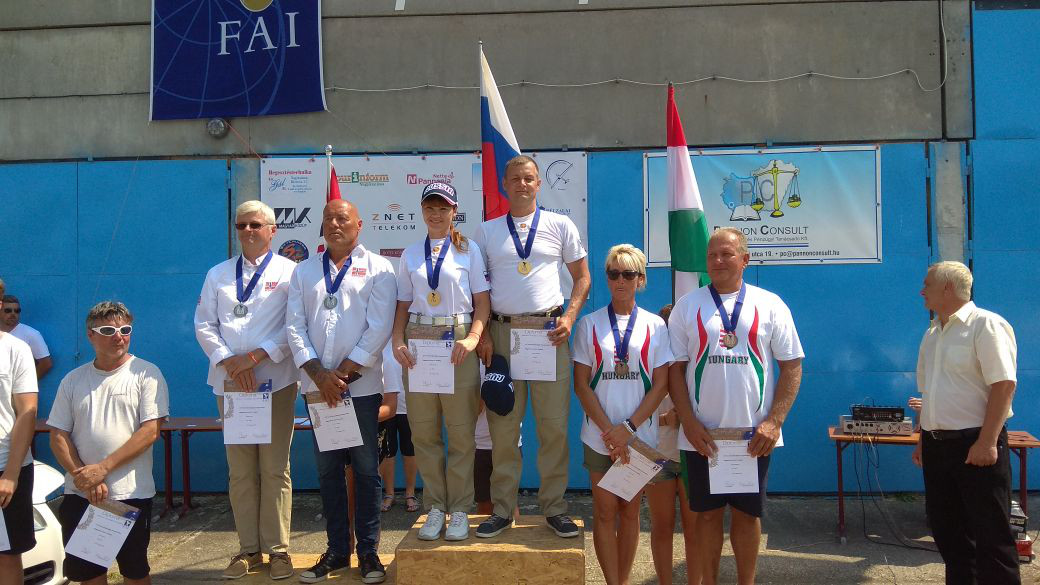
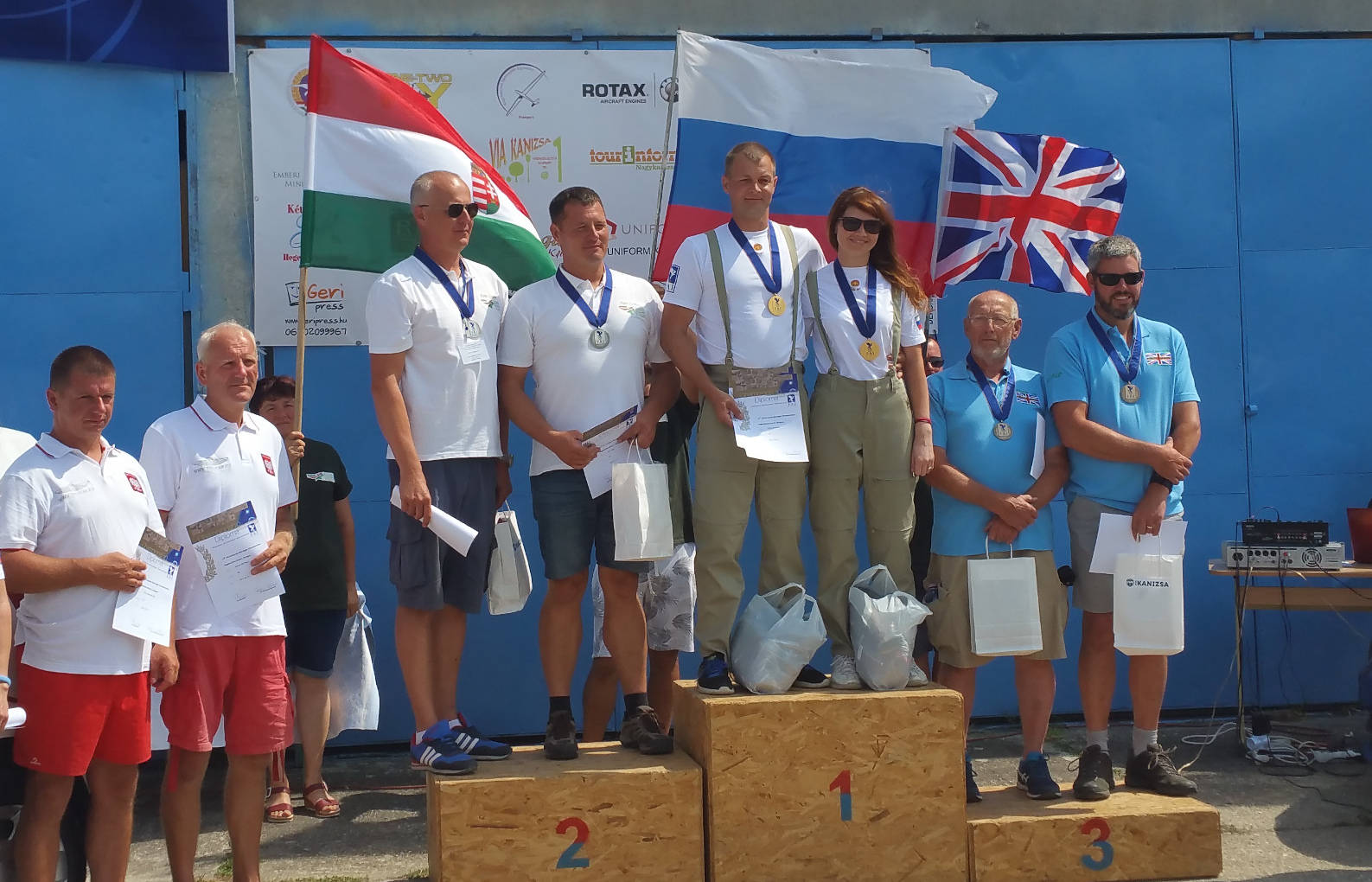
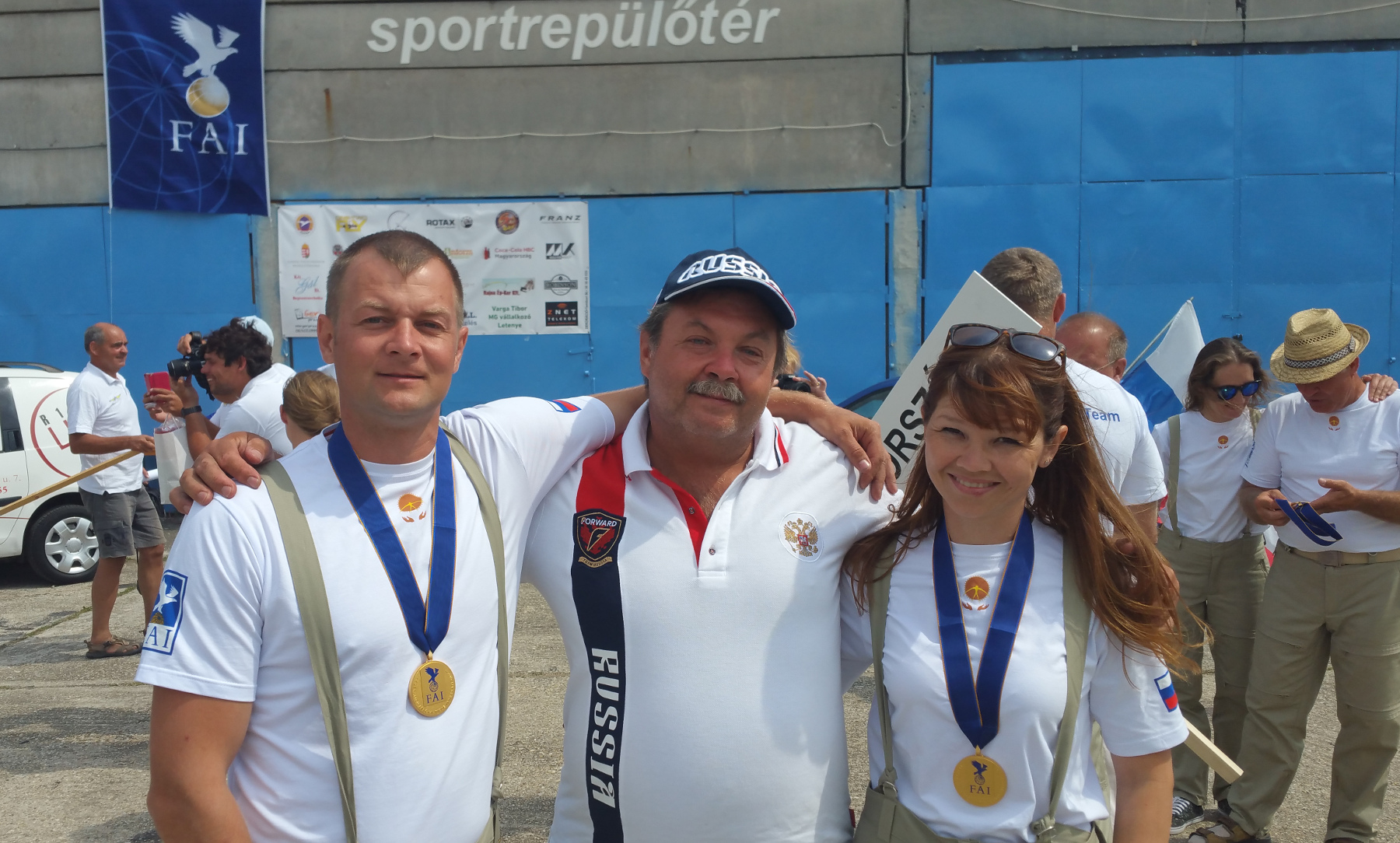
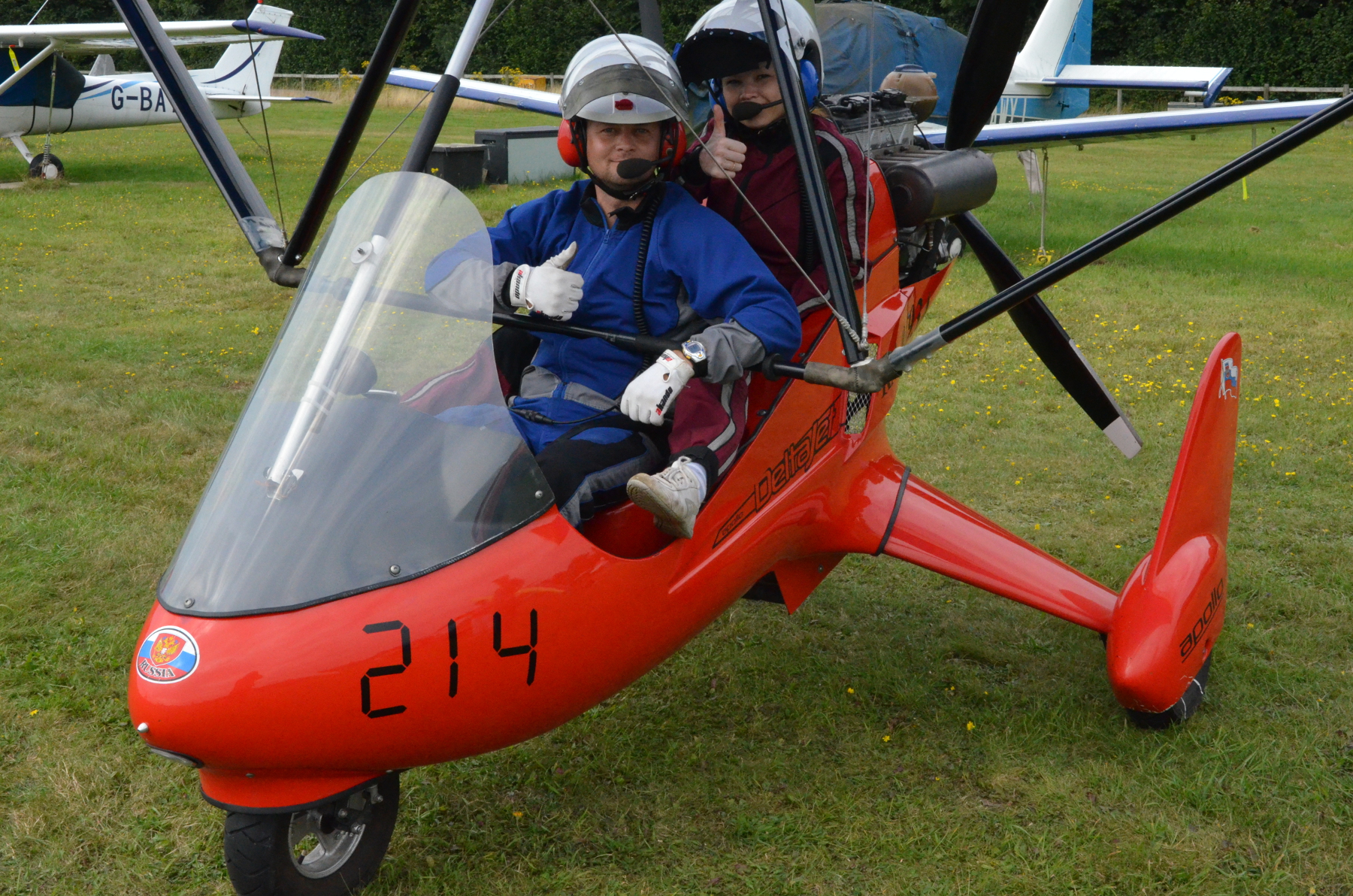
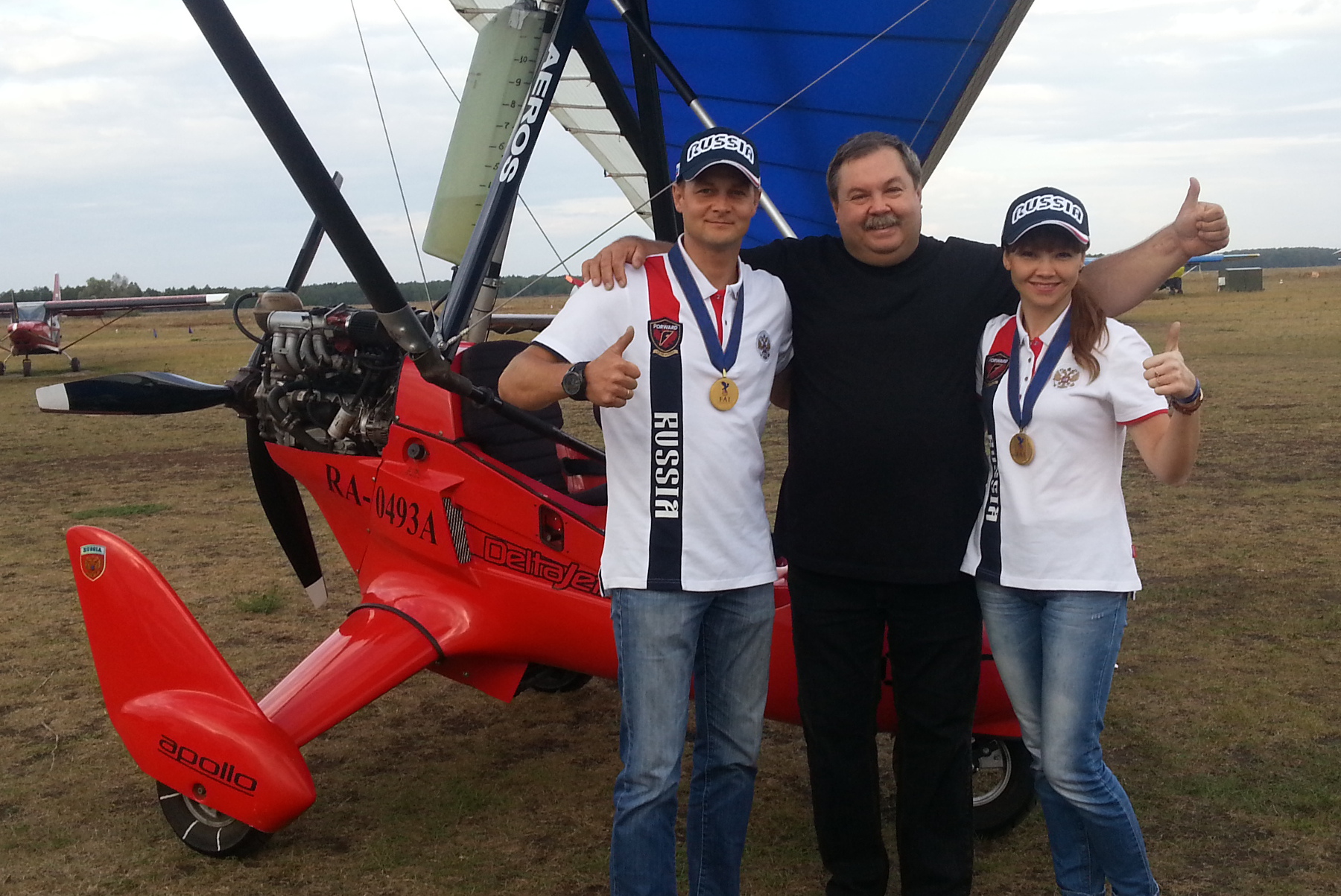
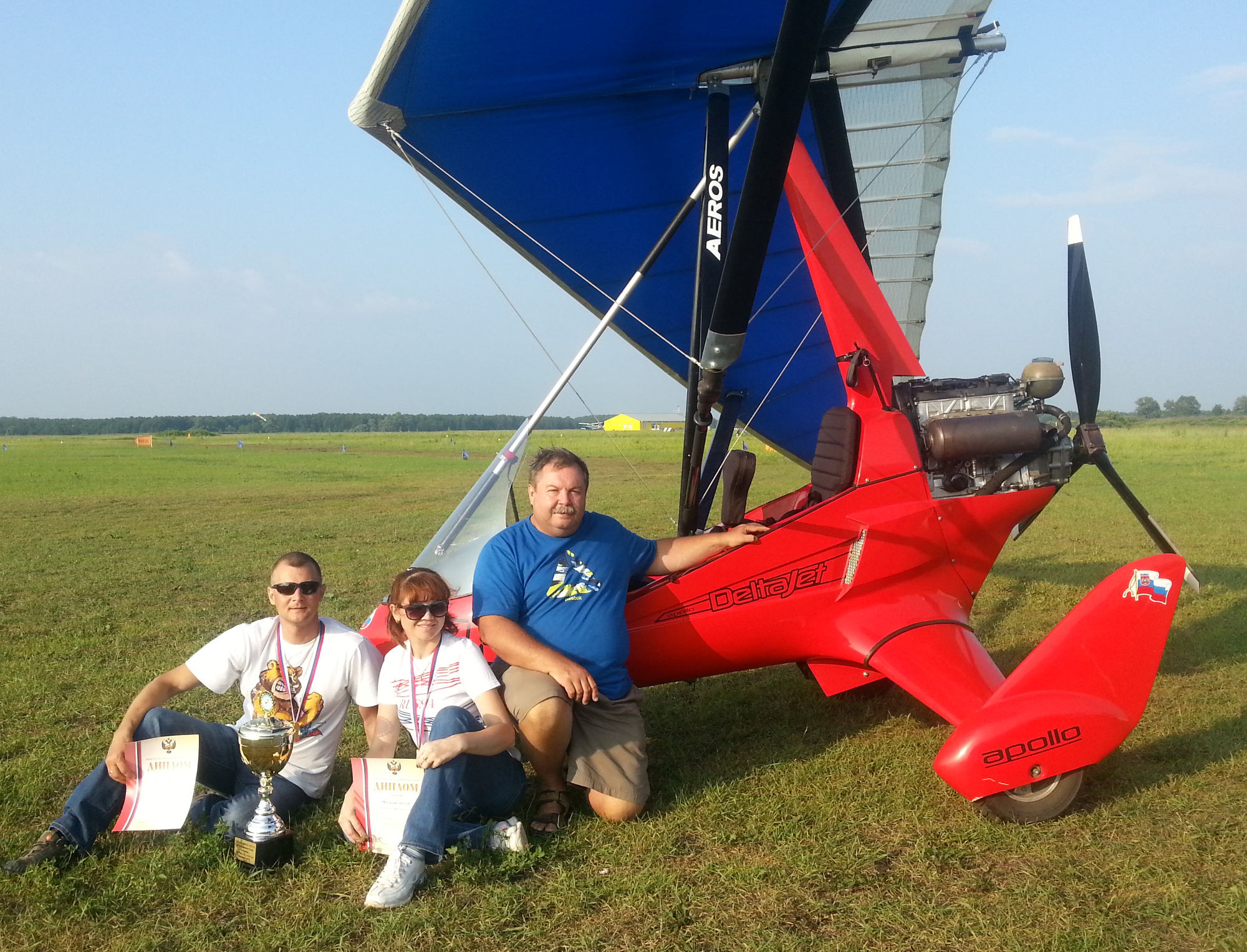
August 2018. Russians on "Red Champion" trike with Suzuki G13BB from Air Trikes are the best in the World again!!!
Max and Alfia Semenov - FAI World Champions 2018-2019 in Weight-Shift 2 class. They are the best in the world for the last 3 years.
They have 700+ hours on the trike and engine now, and no one engine out. They won all the competitions they participated in 2016-2018.
Do you still have questions about efficiency and reliability of the
engine conversions from Air Trikes? More info: WMC 2018
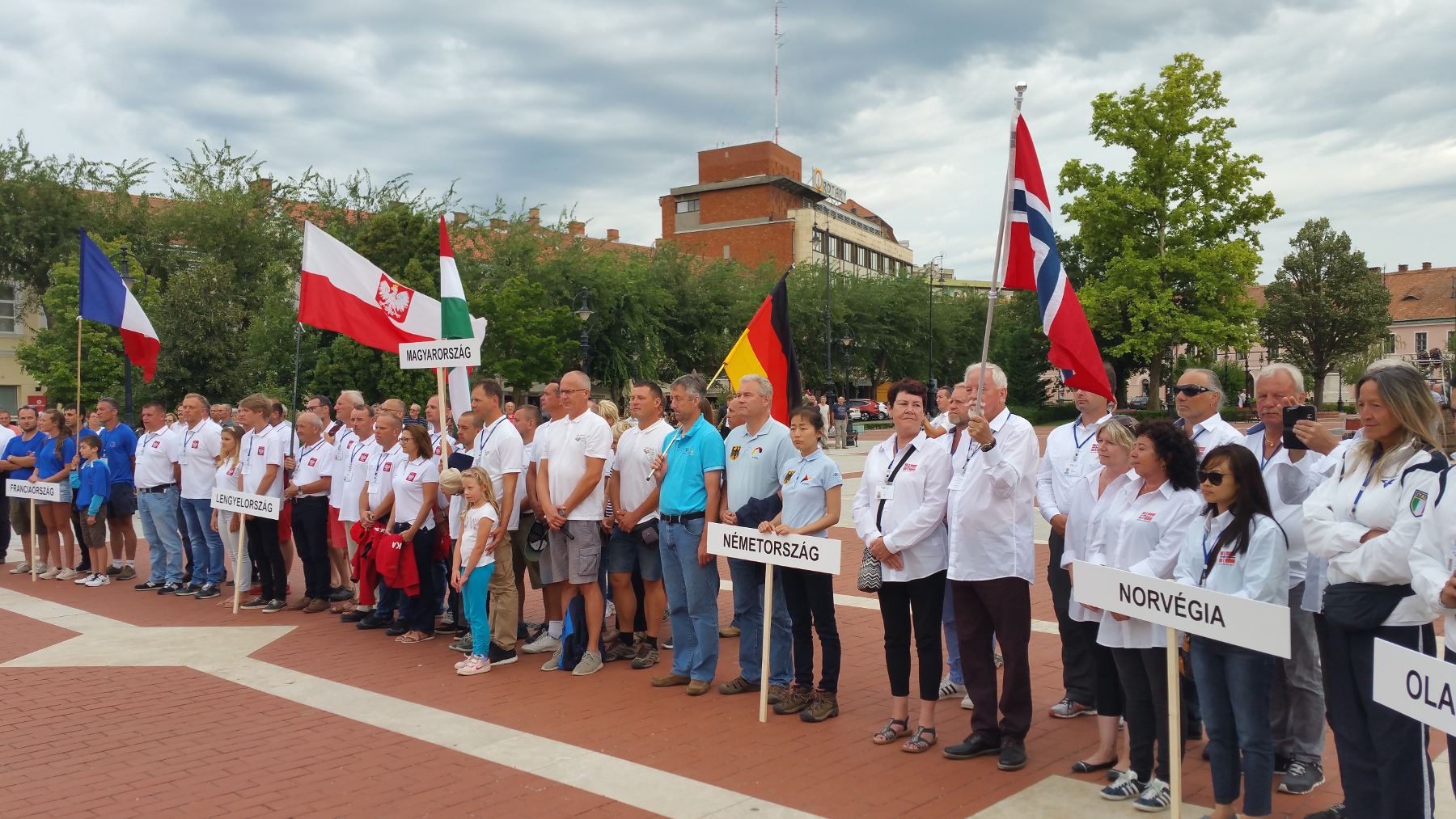
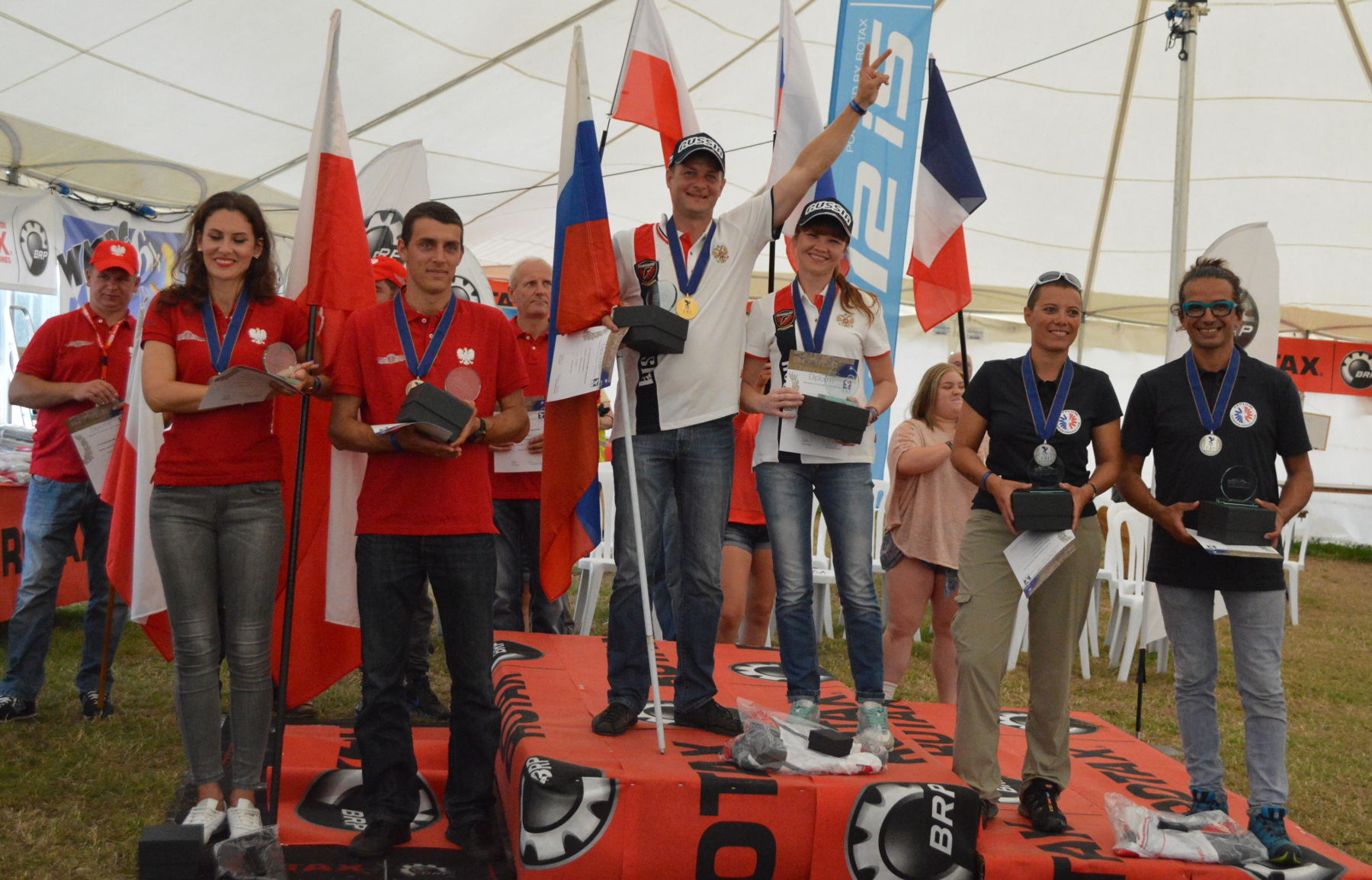
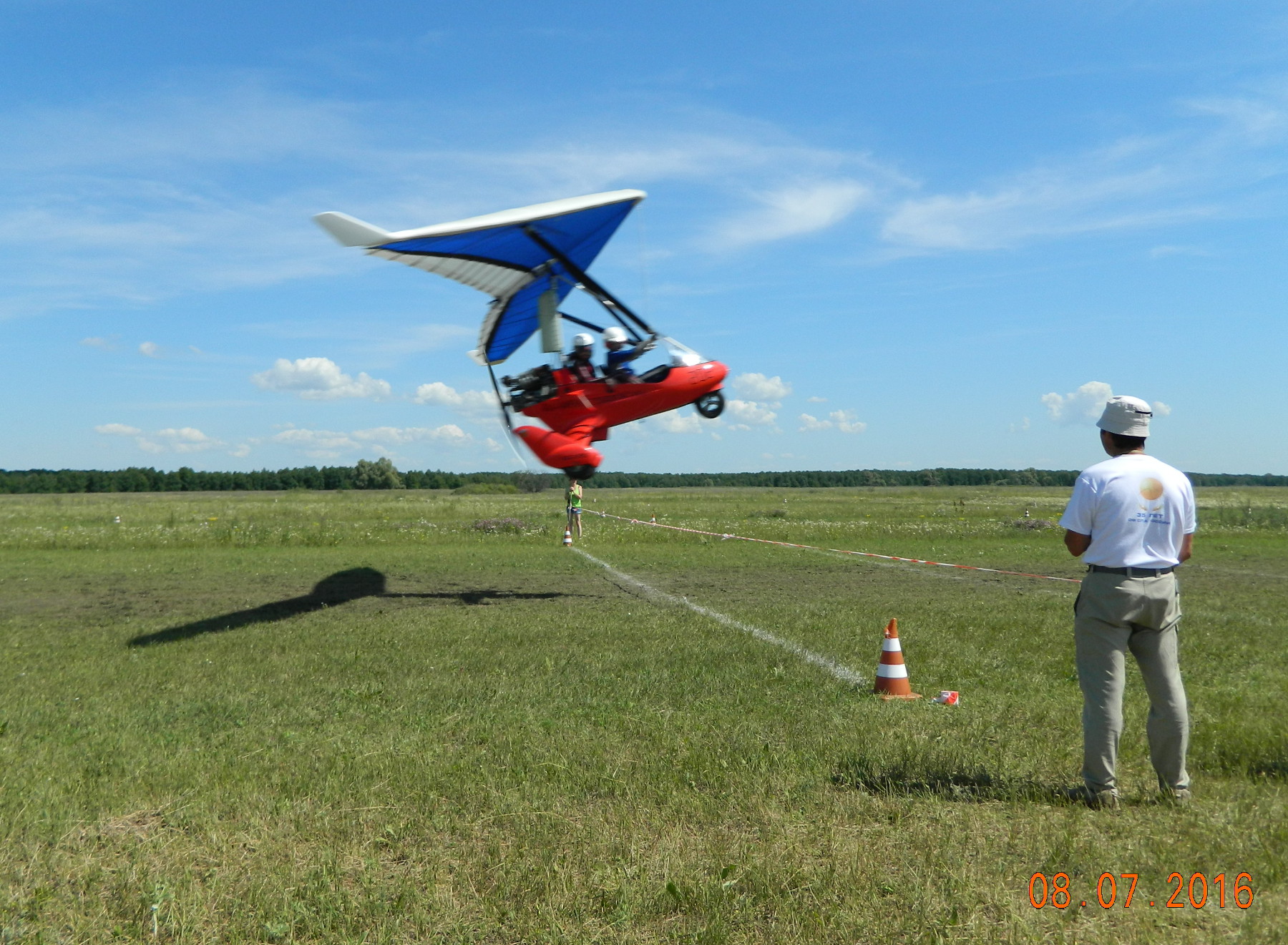
Year 2017-2018. "Red Champion" trike with Suzuki F13BB made dy Air Trikes - FAI European Champion.
"Gold shot" again: Maxim Semenov and his wife - FAI European Champions 2017-2018 in Weight Shift 2 class!
This time they heave won 5 from 6 competition days!!! "Red Champion" trike from Air Trikes Enterprises Canada was flying much better than
other 2-place trikes with Rotax 912S, and Suzuki MPFI engine left them no chance to win.
18.03.2018 New trikes added to Completed Trikes page
18.03.2018 New page - "Eagle-Aqua" plans, trike floats, and aircraft structure kit HERE
30.03.2017 Rexon airband radio and components added. Info here.
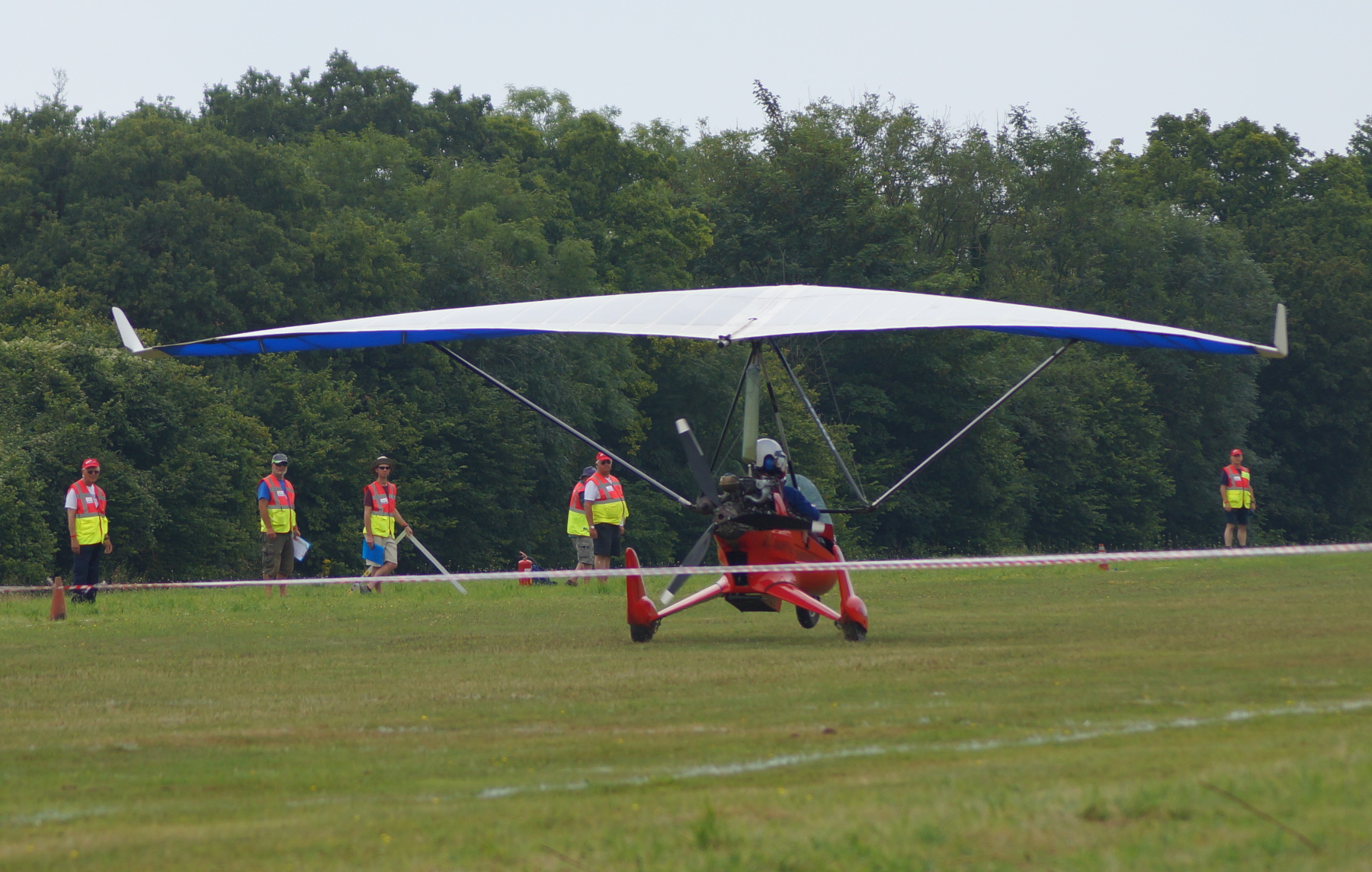
September 2016. FAI World Champions 2016 fly "Red Champion" trike from Air Trikes!!!
Maxim Semenov and his wife - FAI World Champions 2016-2017 in Weight Shift 2 class!!! 7 days, rough English weather, 11 different very difficult tasks.
"Red Champion" trike with Suzuki G13BB from Air Trikes Enterprises Canada flew flawless, with better speed and fuel efficiency than Quicks and Tanargs with Rotax 912.
Excellent aircraft with MPFI engine + their talent and ambitions allowed Russian Pilots to win famous and more experienced pilots from France, England, Poland, Spain etc. RUSSIAN TRIKE PILOTS BECAME FAI
WORLD CHAMPIONS
THE FIRST TIME IN HISTORY of World Championships. Short video "Red Champion trike over La Manche"
here.
More info http://www.wmc2016.com
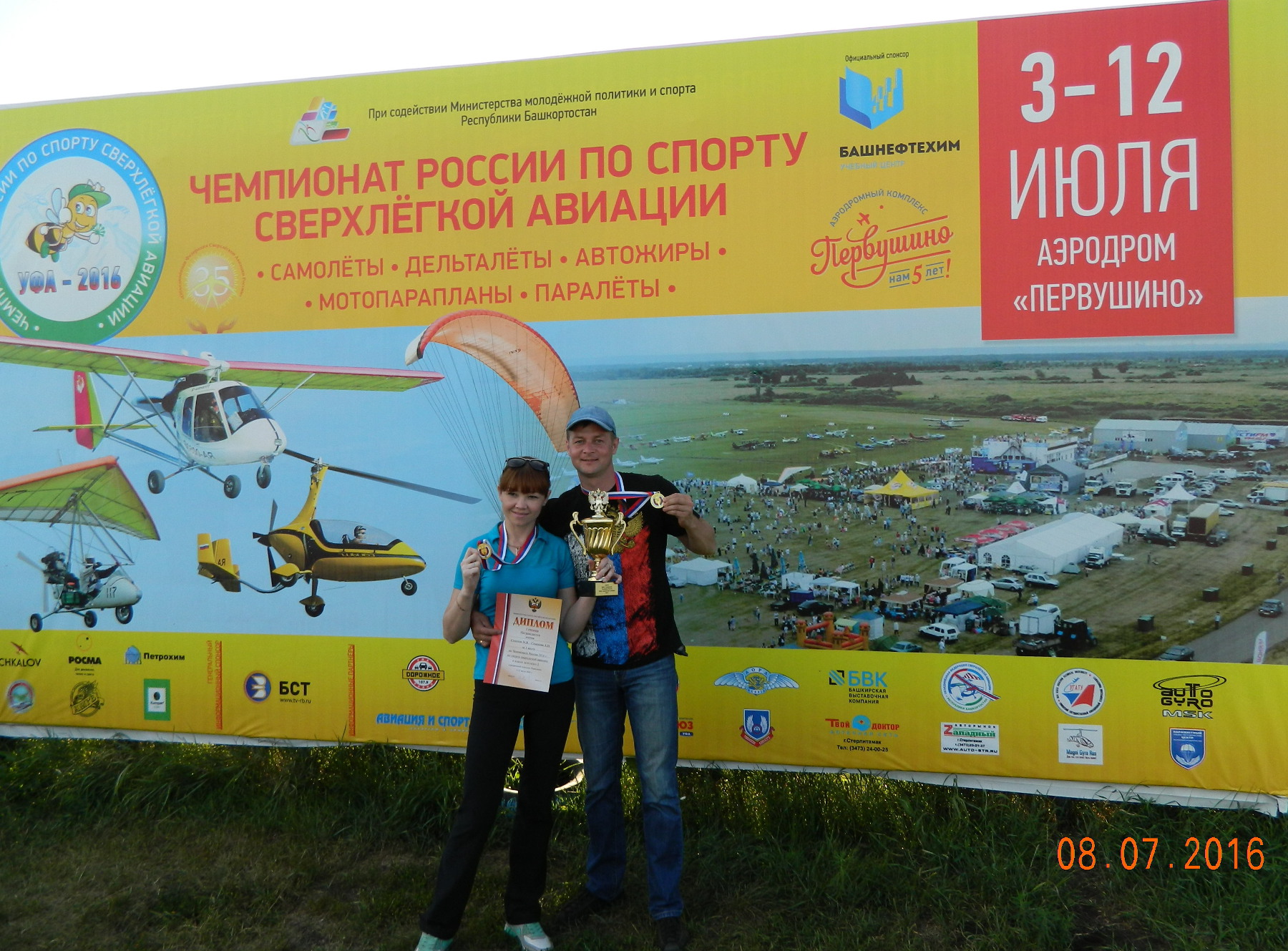
June 2016. Red Champion trike with Suzuki G13BB from Air Trikes Enterprises - the best in Russia again!
Max and Alfia Semenov - Champions of Russia 2016 in Weight Shift 2 class! They have won most of the tasks. Their trike with Suzuki G13BB from Air Trikes Enterprises Canada was definitely
the best as well. I wish them to show the best results at World Championship 2016 in England. Short video below:
16.07.2016 New Apogee14 wing was tested with Apollo DJ Suzuki G13BB trike. Excellent wing! Both cable and strutted versions will be available soon.
Short video below. This new ready-to-fly trike is for sale, worldwide delivery, choice of wings.
June 2016 "Photos&Videos""Engines""Feedback" pages updated.
12.05.2016 "Propellers" page updated. New propellers added. May discount* 10% for propellers.
* except VPP, Tiny, Saber blade sets, they are with special sale price.
12.05.2016 "Engines""Feedback" pages updated. Suzuki K series conversion added.
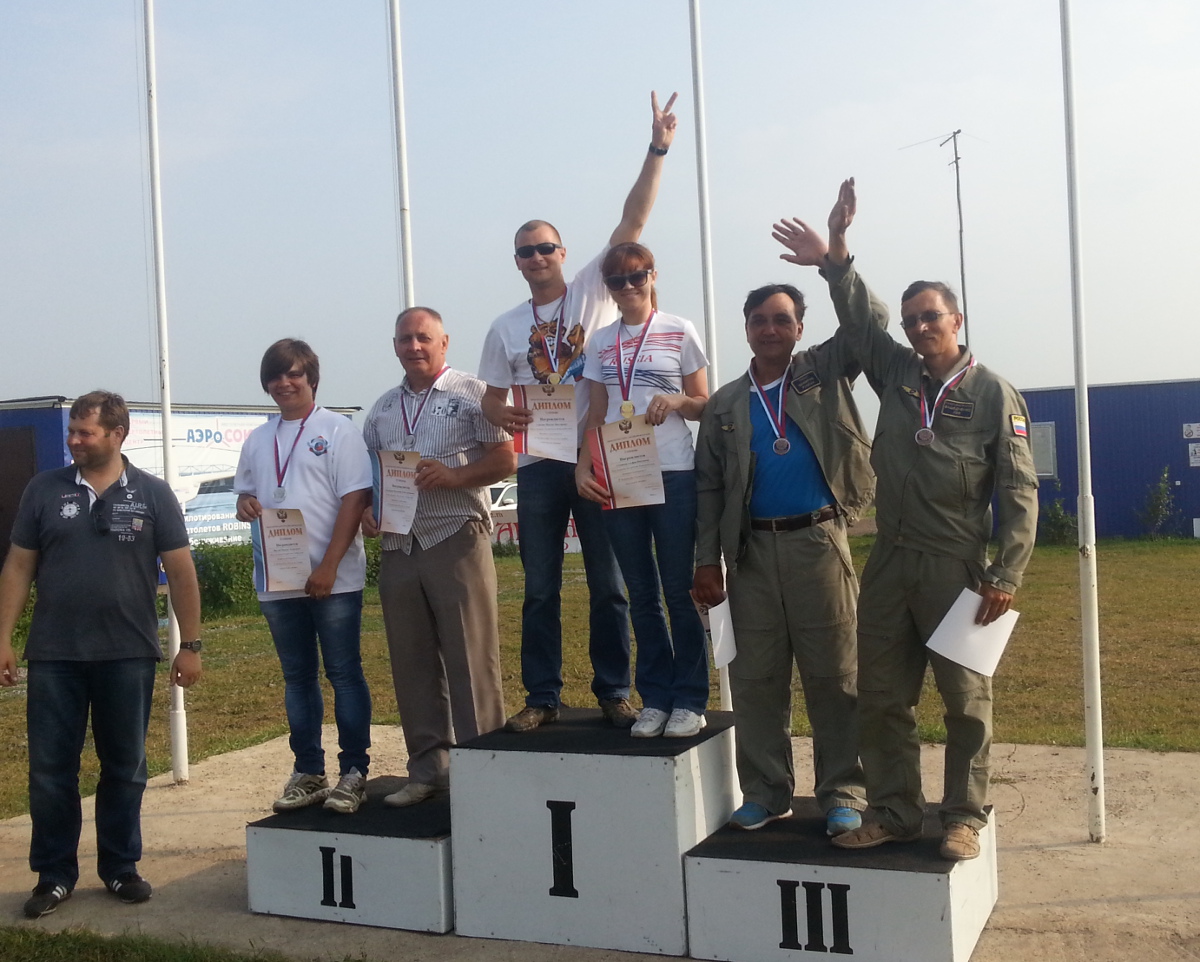
02.07.2015 Russian trike Champions fly our trike with Suzuki G13BB.
National Russian Microlight Championship 2015 is over. 7 days of June, 13 different FAI sport tasks. Pilots and their aircraft have to show their
skills + the best speed, fuel consumption, efficiency, gliding ratio (soaring task), precise landing engine out, short takeoff-landing performances etc.
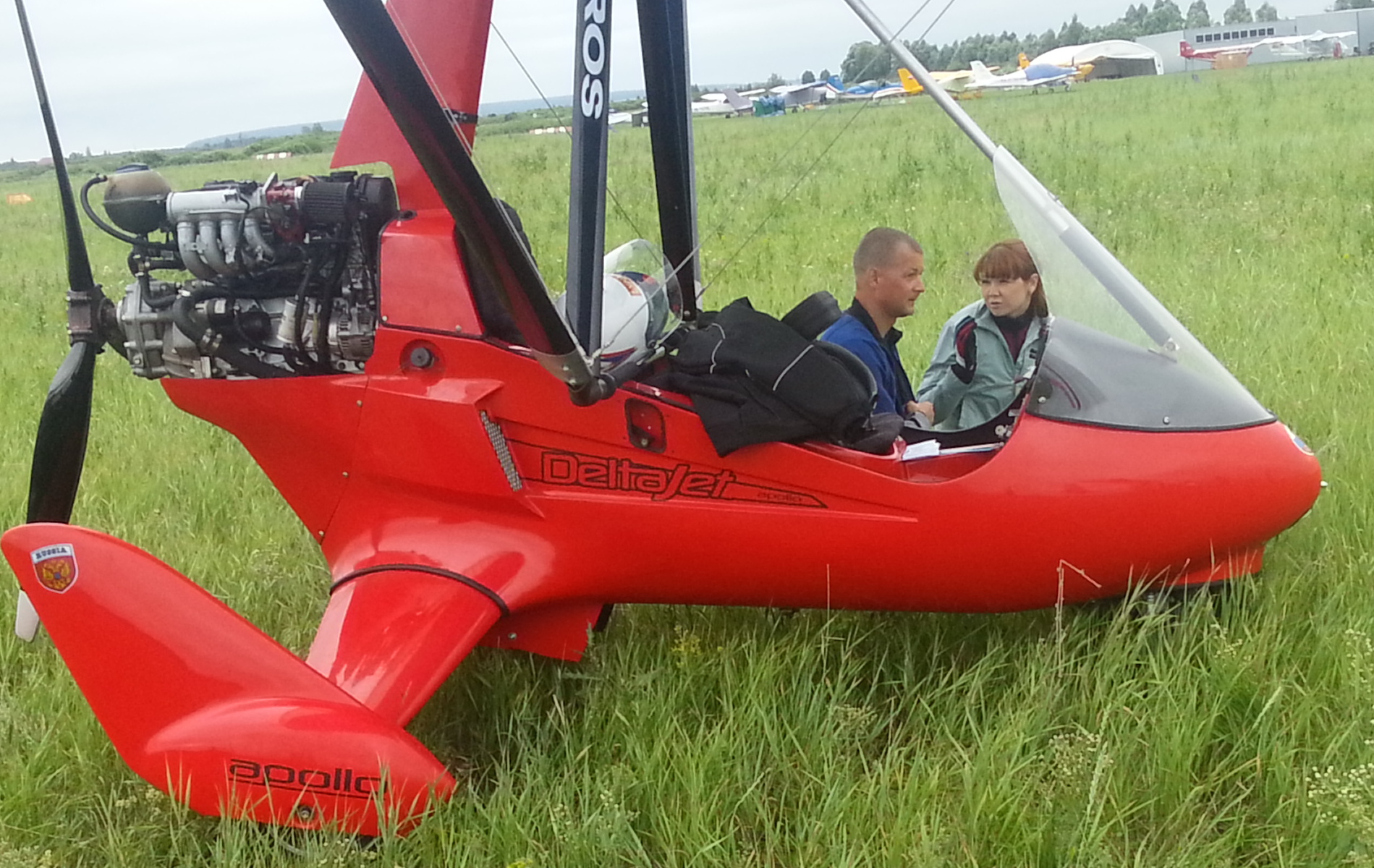
I’m glad that new Champions of Russia in 2-place weight-shift class (trikes) fly Apollo Delta Jet with Suzuki G13BB engine and Profi TL from Air Trikes Enterprises!
The Champions got about 1.5 more points than Silver and Bronze medallists (9875, 6986, 6824). No doubts, Delta Jet G13BB was the best.
Short video here. More info about
our engines HERE Apollo trikes page HERE
23.05.2015 More pictures and videos added to Complete trikes page here.
23.05.2015 Videos added to Wings, Engines, Photos and Videos pages
21.03.2015 See you at Sun n' Fun 2915 Florida, LP-036B Paradize City! Limited time offer: for all orders placed at Sun N' Fun and a month before discount 10%.
19.10.2014 New webpage with Micro Avionics UK products and pricelist. If you want to know about excellent quality, not overpriced headsets, helmets, intercoms and avionics for
ULM, Microlights, General Aviation; if you want a modern clear voice communication system for your aircraft - click here.
01.11.2014 2 new trikes, Micro Soaring Aeros and 3-placer added to "Trikes" page.
01.11.2014 Information about Wing Electric trim kit and new wings added to "Wings" page.
Introduction:
Air Trikes Enterprises is a Canadian business working in the field of Experimental, Ultralight, Light Sport aviation in North America from 2002 year. Our main spheres:
Design, manufacture, test fly and selling weight-shift control aircraft (trikes).
Auto-moto engine conversion for propeller driven vehicles.
Consulting in the field of Experimental/Homebuild aviation.
Selling trike plans, kits, parts, components.
Ultralight/Homebuild aircraft inspection, tuning, repair, modification, choice of engine, propeller, avionics, instruments etc.
Let me introduce myself. My name is Vassili Tarakanov, Air Trikes Enterprises manager and owner.
I am an Aircraft Design Engineer,
specializing in aerodynamics and flight dymamics.
I am also a Transport Canada certified ultralight instructor.
My wife and I, we moved to Montreal, Canada in November 1999.
I graduated from the best Russian aviation university - the Moscow Aviation
Institute (MAI) in 1986.
After my graduation I worked as a research engineer in the aerodynamics
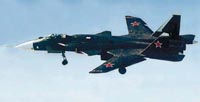
department of the famous Sukhoy Aviation Design Bureau for about 4 years. My
work involved high technology military aircraft. It was a very good job for
me as a young engineer, for improving my knowledge and skills.
My hobby however is ultralight and homebuilt planes and remote control
helicopter models. Since my childhood I have been making flying models. I
was the champion of Moscow in aircraft modeling, Master of Sports.
I began ultralight flying in 1982 when I was a student at MAI. I did my
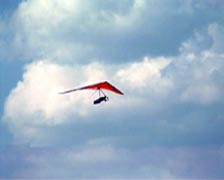
first solo sailing flight and a little later I designed my first hang glider
at the delta club of MAI. When I began working at the Sukhoy Aviation Design
Bureau, I was already experienced delta pilot-instructor and designer. In
1987 my friends and I created an amateur delta club there. After workdays we
made a few training deltas of my design. I organized the commercial
production of these designs later as well. I taught new pilots to fly them.
We had a lot of flights and camping on weekends and holidays. It was a very
exciting time for me.
Unfortunately, 1989-90 was the year when economic crisis began in Russia
with reduction of work for military aviation personnel. That is why in 1991
I left the Sukhoy bureau and began working at a small general aviation
design bureau as a research and design engineer of light sport airplanes,
hang gliders, remote control business aircraft, and ultralight flight
machines. There was one more reason. I wanted to travel, perhaps to
immigrate, but it was impossible because of my work for secret military
airplane projects. However, after five years of quitting Sukhoy Aviation I
was finally successful in getting my foreign passport.
Now, some words about magnificent ultralight flying machines called trikes.
The popular rendition of a trike was born in the UK and France in the late
'70's, and soon it became the most popular kind of ultralight in Europe.
This was made possible because the trike was relatively simple, low priced,
had excellent service and flying performance, is the safest (by world
ultralight accident statistics) and the simplest to control ultralight. Now,
trike flying is becoming popular in the US and Canada as well for the same
reasons.
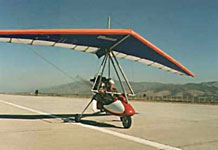
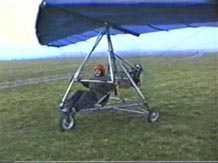
The trike looks a lot like a hang glider with a tricycle like undercarriage.
There is an engine and a pushing propeller behind it. A triangle shaped bar
(control frame) is directly attached to the wing. From this, the pilot
controls roll and pitch which in turn steer the trike in the air. I know of
one, two and even three-seat trikes.
As an Aerospace Engineer I can tell that the trike has more suitable layout
for an ultralight then a conventional airplane. It does not have a tail boom
with stabilizers with their aerodynamic drag. There is no interference
between the wing and the body or body with prop downstream. There is no
negative lift on horizontal stabilizer. This fact allows making take-off and
landing with lower airspeed, which is safer. The trike wing is not capable
of stall spin. NASA and CAHI research proved the advantages of this concept.
Trike does not require a hangar and can be stored in your garage alongside
your car taking almost no space. You can transport it on a trailer like a
motorcycle or a snowmobile. 30 to 50 minutes of assembly and you are ready
to be airborne.
I built my first trike in 1997. It was a model called "Frigate" with "Blue
dream 19" wing. I flew it solo just after 15 min of introduction test flight
because I had experience in flying delta wings. Getting used to controlling
the engine power and the nose gear took some more time. Usually it takes 5
to 7 flight hours before you can fly a trike solo.
I really enjoyed those first and following flights much more than flying
conventional 3-axis planes. Since that time I have flown different trikes. I
also designed and built several trikes, made a fitting of existing wings to
different trikes and gained some experience in this field. Here in Canada in
2001 I got my Ultralight Pilot Permit. Later I was certified as Ultralight
Instructor.
A little bit more about trikes at the former USSR territory. There are a lot
of trike pilots and designers there. Many of them, like me, have
engineering background and experience from major aerospace companies and
also experience in building deltas. They use their aircraft not only for fun
but also mostly for hard work such as crop spraying, air patrol, flying with
passengers etc. That is why their trikes are usually designed to lift more
weight, very reliable, easy to operate and comfortable in flight. This is
important for beginner pilots as well as for professionals spending several
hours a day in the air. As a rule, the designers use aviation technology and
certified materials for their machines so they are closer to commercial
aircraft than their "ultralight brothers" from Europe or America.
Some companies such as AEROS or Antares are well known in North America but
there are many more companies that produce perfect aircraft and their
components
for the huge home market and never seriously market or advertise
them for export. Some of the best examples are companies such as RW,
X-Wings, and other products that you can see at this site. They not only
have high quality and are proven by years of design and flight but also have
very attractive prices. If you like something you see here, I am ready to
answer all your questions. Good luck in navigating my site and the sky.